


Incontinence underwear has come a long way from the bulky, medical-looking products people used to hide in the back of a closet. Today, the most common options are pull-up underwear and tab-style underwear, and choosing the right one is not just about absorbency. It’s about daily lifestyle, dignity, caregiver support, and real comfort. In this article, we’ll walk you through the differences in a clear, practical way so you can make a confident decision.
Why Type Matters More than Absorbency
Most people assume that the best incontinence underwear is simply the one with the highest absorbency. But in reality, absorbency is only one piece of the puzzle.
The type of underwear determines how well it fits your life. For example, someone who is active and independent will value comfort, discreetness, and easy wearing more than the highest absorbency. Meanwhile, a person who needs daily care may need a product that offers stability and easy changing, even if it doesn’t feel as “normal” as underwear.
Here’s why type matters:
1) Independence and dignity
If a user can manage their own care, they usually want a product that feels like normal underwear. Pull-up style products can provide that sense of independence and normalcy.
2) Caregiver efficiency
For caregivers, the priority is often safe and quick changes, especially during night shifts or when the user cannot move easily. Tab-style products can significantly reduce the physical effort required.
3) Leak protection depends on fit
A product with high absorbency won’t prevent leaks if it shifts or doesn’t fit correctly. Type affects how well the underwear stays in place during movement, sitting, or lying down.
4) Comfort and skin health
The wrong type can cause skin irritation, friction, and discomfort. The fit, breathability, and surface materials vary between pull-up and tab-style products, which affects skin health.
So yes, absorbency matters — but type determines whether absorbency is used effectively.
Pull-Up: For Independence and Comfort
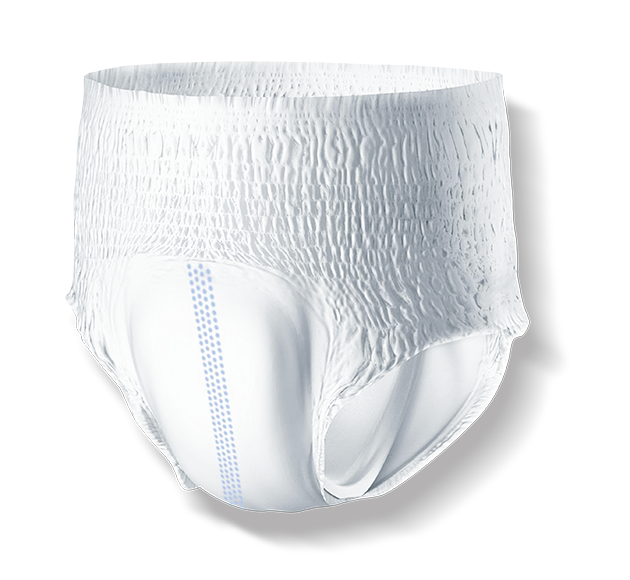
Pull-up incontinence underwear is the closest option to regular underwear in terms of wearing experience. It is easy to pull on and off, making it suitable for people who can move independently and manage their own toileting needs. Many users choose pull-up underwear because it offers a sense of normalcy, allowing them to dress and go out without feeling “medicalized.” The main advantage is that it supports daily routines without adding extra steps or embarrassment. However, pull-up underwear is not always the best option for every situation. When a user is unable to stand, has severe leakage, or needs frequent nighttime changes, pull-up underwear may become inconvenient and less secure. In these cases, the main risk is that the underwear may shift, leading to leakage and discomfort.
Tab-Style: For Care and Stability
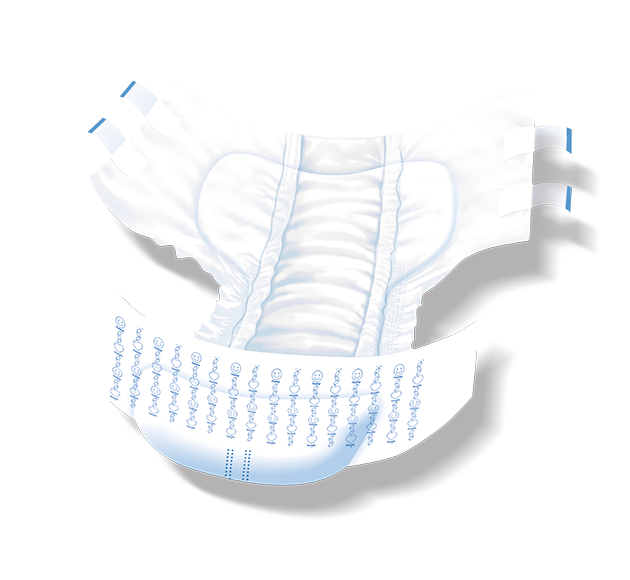
Adult diapers with tabs are commonly used in care facilities because it supports safer and more efficient caregiving. The side tabs allow the underwear to be opened and closed without needing the user to stand up, which is essential for people who are bedridden or have limited mobility. The design also helps the underwear stay in place more securely, reducing the chance of shifting and leakage. For caregivers, this style reduces the physical effort needed during changes and improves hygiene by enabling faster and cleaner replacement. While tab-style underwear may not feel as “normal” as pull-up underwear, its value becomes clear in situations where stability and ease of changing are the priority. In many cases, the comfort of the user is improved because the product fits more securely and reduces accidental leaks.
The Key Difference is Who Changes it
Here’s the most important truth: the real difference between pull-up and tab-style underwear is who is doing the changing.
Self-care users
Pull-up underwear is usually the best choice because it supports independence, confidence, and ease of use.
Care-dependent users
Tab-style underwear becomes more practical because it supports safe and fast changing, especially when the user cannot move or needs assistance.
Why this matters
A product that looks good on paper can still fail if it doesn’t fit the care routine. For example, a caregiver may struggle to change pull-up underwear quickly and safely, especially if the user is lying down. That can lead to longer exposure to wetness, skin issues, and reduced comfort.
In short:
Pull-up is for self-managed care. Tab-style is for caregiver-managed care.
Many Users Need Both Types
The most realistic solution is not choosing one type forever. Many users actually benefit from using both pull-up and tab-style underwear, depending on the situation.
Common combination
• Daytime: Pull-up underwear for mobility and confidence
• Nighttime: Tab-style underwear for stability and leak protection
• Travel: Pull-up for convenience
• Home care: Tab-style for easier changing
Why this approach works
Incontinence is not a fixed condition — it changes based on:
• time of day,
• activity level,
• health status,
• caregiving availability.
So a flexible approach provides better comfort, better protection, and better quality of life.


